
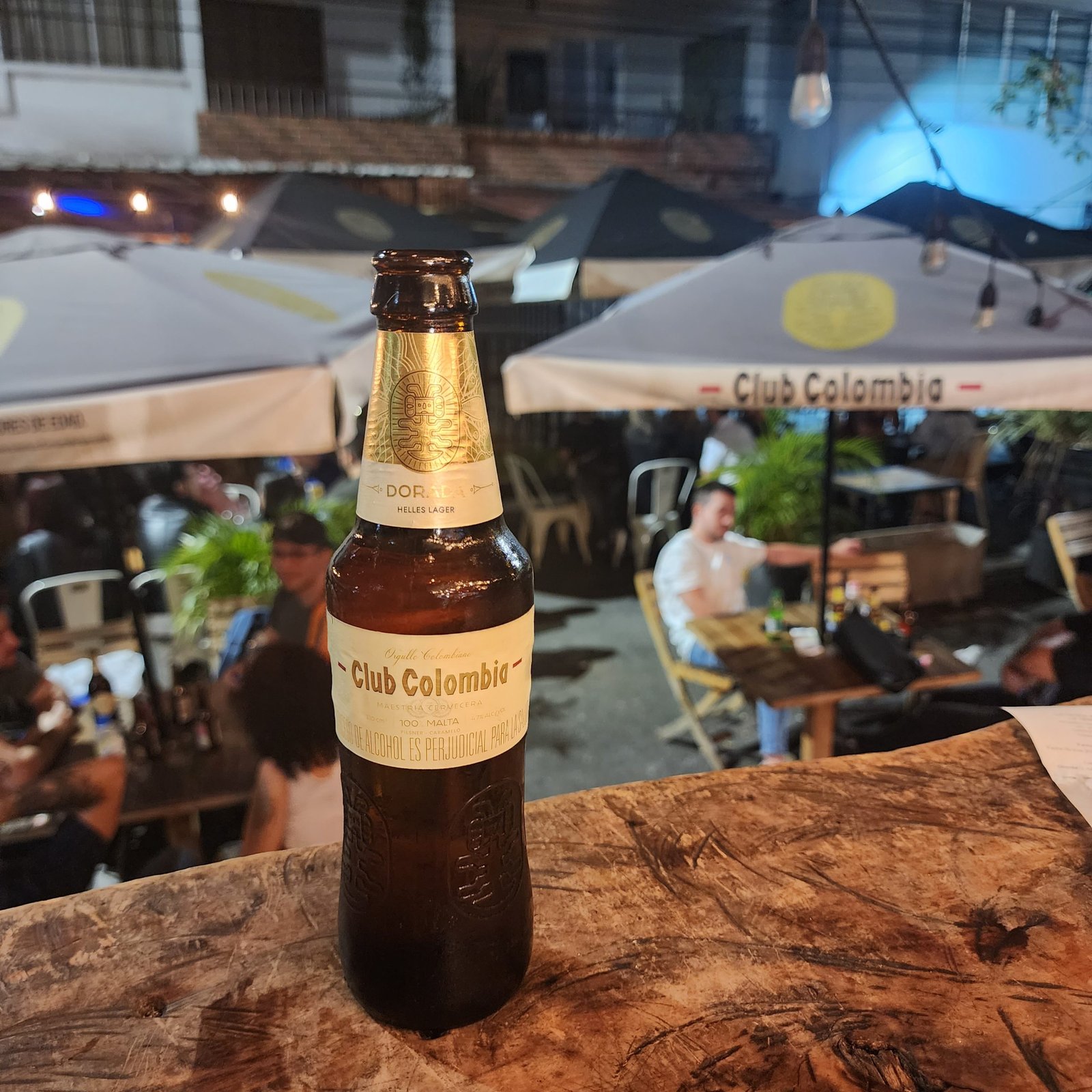
Street food Medellín is more than fun and culture, Medellín is a Paisa city — a term that refers to the people of the Antioquia region, known across Colombia for their entrepreneurial spirit, warmth, and, above all, their food culture. Paisas don’t just eat to survive; food is social currency here. Sharing a plate of fritanga with friends after a night out, grabbing a buñuelo from a corner cart on the way to work — these rituals are woven into daily life.
What makes street food in Medellín special:
Freshness: Most items are prepared to order, right in front of you
Price: Expect to eat well for 2,000–8,000 COP (under $2 USD) per item
Density: Literally a stand on every corner, in every neighborhood
Authenticity: These aren’t tourist traps — locals eat here daily.
The 10 Best Street Foods to Try in Medellín
1. Arepa Paisa 🌽
The arepa is the soul of Colombian cuisine — a thick corn cake eaten at practically every meal. But the arepa paisa is something special. Slightly thicker and denser than other Colombian varieties, it’s typically served with cheese, beans, or pork (chicharrón).
Where to find it: Roaming the streets of Laureles or El Centro, or any morning market
Price: ~1,000–2,000 COP (~$0.25–$0.50)
Pro tip: Ask for arepa de chócolo — made with sweet corn — and you’ll be hooked.
—
2. Empanada Colombiana 🥟
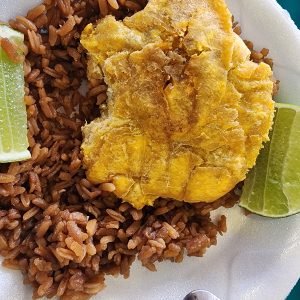
Forget the flour empanadas you know from Argentina or Spain. Colombian empanadas are made with masarepa (pre-cooked cornmeal), giving them a crispy golden shell that shatters when you bite in. Inside: seasoned meat, potato, rice, and vegetables.
The key ritual? Topping them with fresh ají — a punchy Colombian hot sauce that brings everything together.
Where to find it: Near any park, especially Parque El Poblado and Parque Laureles
Price: ~1,500–2,500 COP
Pro tip: Eat them fresh off the fryer — they lose their magic when cold.
—
3. Perro Caliente (Colombian Hot Dog) 🌭
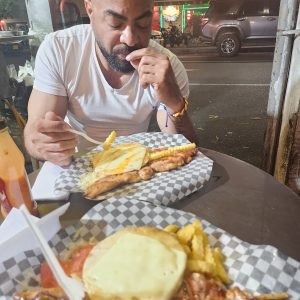
A Colombian perro caliente is not your average hot dog. The sausage is large and always boiled — but the real show is the toppings. Expect a mountain of mayo, ketchup, mustard, crushed potato chips, shredded cheese, quail eggs, and sometimes even ceviche or pineapple sauce on top.
It sounds chaotic. It tastes incredible.
Where to find it: Late-night carts near bars in El Poblado and Parque de la 70
Price: ~3,000–6,000 COP
When to eat it: After midnight. That’s not a joke — this is peak perro caliente hour.
—
4. Chorizo Antioqueño 🍖
Medellín’s chorizo is made with a blend of pork and beef, heavily seasoned, and — here’s the Paisa twist — traditionally cooked over a slow charcoal grill. The result is a sausage that’s smoky, juicy, and deeply savory.
It’s typically served on a stick or with a small arepa on the side. Simple, and completely addictive.
Where to find it: Anywhere in El Centro, or at the food stalls around Plaza Minorista
Price: ~2,000–4,000 COP
Pair it with: A cold agua de panela or a fresh fruit juice from the next cart over.
—
5. Buñuelos 🧀
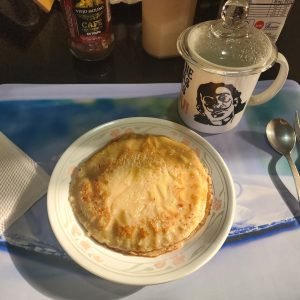
These deep-fried cheese balls are Colombia’s ultimate comfort food. Crispy outside, airy and gooey inside, made with white cheese and cornmeal. They’re eaten for breakfast, as a snack, and obsessively during Christmas.
Near Parque Poblado (corner of Calle 9 and Carrera 43B), there’s a buñuelo shop that has been frying them for over 20 years. That’s the kind of place you want.
Where to find it: Corner shops, bakeries, near parks throughout the city
Price: ~500–1,500 COP each
Pro tip: Eat them immediately — piping hot is the only way.
—
6. Salchipapa 🍟
A portmanteau of salchicha (sausage) and papa (potato), salchipapa is comfort food at its finest: french fries and sausage slices loaded with cheese sauce, bacon, quail eggs, and BBQ sauce. It originated in Peru but has been fully adopted by Medellín’s street food culture.
Where to find it: Food courts, late-night carts, and food halls throughout the city
Price: ~5,000–10,000 COP
Best for: A post-activity refuel or a late-night indulgence.
—
7. Fritanga 🔥
Fritanga isn’t a single dish — it’s a platter of abundance. You get a mix of grilled and fried meats (chorizo, chicharrón, morcilla), fried plantains, queso frito, rice, and beans. Traditionally shared between a group, it’s the food equivalent of a Colombian gathering.
Where to find it: Traditional restaurants around El Centro and local estaderos (open-air eateries)
Price: ~15,000–30,000 COP for a shared plate
When to eat it: Weekend lunch with locals. You’ll rarely be the only table doing it.
—
8. Fresh Tropical Fruit 🍍
Don’t overlook this one. Colombia’s biodiversity means fruit vendors in Medellín sell things you’ve likely never seen: lulo, mangosteen, guanábana, maracuyá, pitahaya, naranjilla. Cut fresh in a cup with lime juice and a pinch of salt, it’s arguably the most refreshing thing you’ll eat in the city.
Where to find it: Everywhere — but especially at Plaza Minorista and Placita de Flórez
Price: ~2,000–4,000 COP per cup
—
9. Cremas (Mango Biche Popsicle) 🧊
When visiting Comuna 13, you’ll see locals eating cremas — fruity frozen popsicles made with tropical fruits. The standout is mango biche: frozen green mango drizzled with lime juice. It’s cooling, tangy, and deeply local.
Where to find it: Vendors around the escalators of Comuna 13
Price: ~2,000–3,000 COP
Context: Eat one while watching the incredible street art around you — that’s the full experience.
—
10. Tamales Antioqueños 🌿
The Antioquian tamal is different from Mexican or Venezuelan varieties. Wrapped in banana leaves, filled with corn masa, chicken or pork, carrot, potato, and egg — then steamed low and slow. They’re eaten for breakfast on weekends, bought from market stalls, and brought home wrapped in their leaves.
Where to find it: Morning markets and local bakeries, especially on Sundays
Price: ~3,000–6,000 COP
Pro tip: Buy one early — they often sell out by mid-morning.
—
Best Markets & Spots for Street Food in Medellín
🏪 Plaza Minorista José María Villa
The city’s largest indoor market — a sprawling, chaotic, beautiful maze of fruit vendors, meat stalls, spice sellers, and small tiendas serving traditional Antioquian food. This is where locals shop and eat, not tourists.
Address: Cra. 57 #52-95, La América
Best for: Tropical fruit exploration, bandeja paisa, authentic atmosphere
—
🏪 Mercado del Río
Medellín’s premium gastronomic market — a converted warehouse near the river with 40+ food stalls ranging from traditional Colombian to international cuisine. More polished than Minorista, but great for variety.
Neighborhood: Barrio Manila
Best for: First-timers who want variety in one place.
—
🏪 Placita de Flórez
A smaller, more manageable alternative to Plaza Minorista. Colorful, freshly renovated, and with a food court on the second floor serving traditional local dishes at very reasonable prices.
Best for: A quick, authentic market experience without the overwhelming scale of Minorista
—
🎨 Comuna 13 Street Food
The famous neighborhood known for its street art and escalators also has a thriving informal food scene. Vendors sell cremas, fresh juice, empanadas, and snacks along the main route. Combine street art and street food in one visit.

—
🌿 Vía Primavera (Sundays)
An outdoor market in El Poblado every Sunday on Primavera Street. Alongside artisan crafts and design stalls, you’ll find Colombian street food snacks, fresh juices, and local baked goods.
When: Sundays
Neighborhood: El Poblado
—
How Much Does Street Food Cost in Medellín?
Item Price (COP) Price (USD approx.)
Arepa paisa 1,000–2,000 $0.25–$0.50
Empanada 1,500–2,500 $0.35–$0.60
Buñuelo 500–1,500 $0.12–$0.35
Chorizo antioqueño 2,000–4,000 $0.50–$1.00
Perro caliente 3,000–6,000 $0.75–$1.50
Fresh fruit cup 2,000–4,000 $0.50–$1.00
Salchipapa 5,000–10,000 $1.25–$2.50
Tamal antioqueño 3,000–6,000 $0.75–$1.50
You can eat extremely well in Medellín for under $5–7 USD per day on street food alone.
—
Practical Tips for Eating Street Food in Medellín
Is it safe? Yes, if you follow basic rules: eat at stalls with visible turnover (busy = fresh), avoid anything that looks like it’s been sitting out for hours, and stick to bottled or filtered water.
Pay in cash. Most street vendors don’t accept cards. Keep small bills (1,000–5,000 COP) handy.
Eat where locals eat. If a cart has a queue of Colombians at lunchtime, join it. That’s the only review you need.
Learn a few words. “¿Cuánto vale?” (How much?), “Sin picante” (without spice), “Con todo” (with everything) — a little Spanish goes a long way and will earn you genuine warmth.
Morning is tamal time, late night is perro caliente time. Street food in Medellín follows a schedule. Lean into it.
—
Want to Explore Medellín’s Food Scene With a Local?
The best way to discover street food in Medellín is with someone who knows the city. Street food tours led by local guides will take you to spots you’d never find on your own — from the fruit corridors of Plaza Minorista to hidden chorizo stalls in Laureles.
👉 Check available food tours and experiences in Medellín
Final Thoughts
Medellín’s street food is not a footnote to its tourism experience — it is the experience. The city’s Paisa culture expresses itself through food in ways that restaurants can only approximate. An arepa from a cart at 7am, a perro caliente at midnight, a cup of lulo juice at the market — these are the moments that actually define what Medellín tastes like.
Go hungry. Bring cash. Say yes to everything.
—
Article written from personal experience on the ground in Medellín. All prices and recommendations current as of 2025.

Comment (0)